Which sealing electronic components solutions perform best in rail systems?
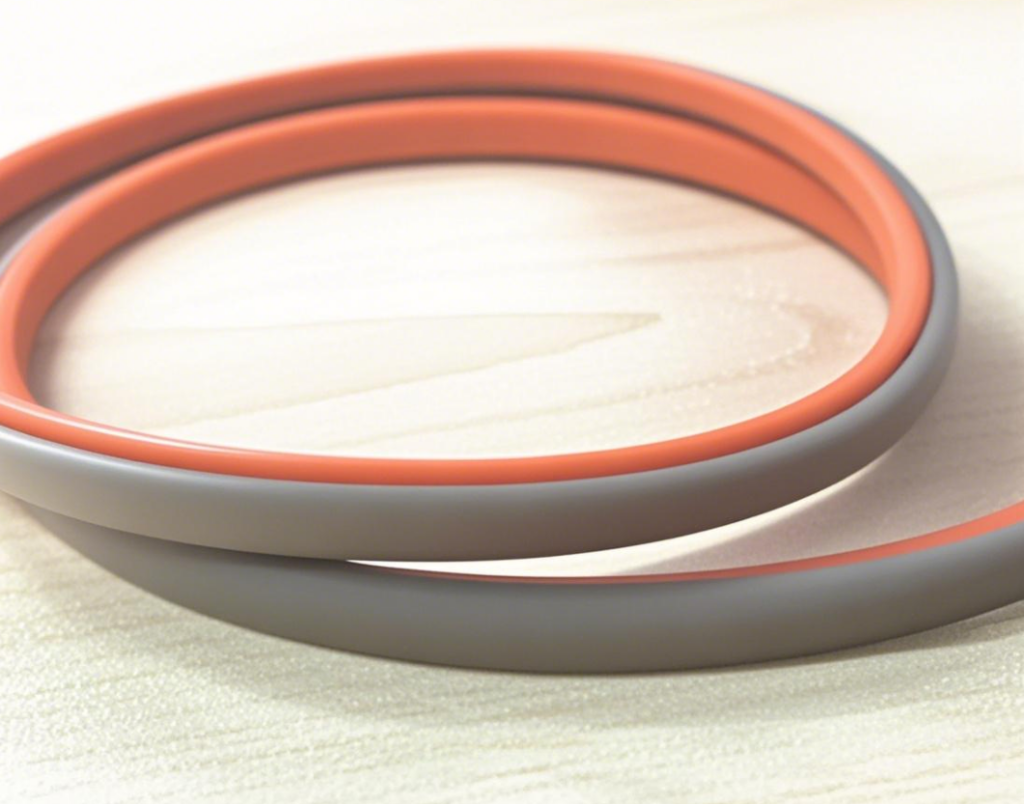
Commencing the following study offers information into polymer silicone along with electrically conductive silver-filled elastomer seals for RF suppression shielding.
Polymer silicone elastomers are frequently used in supple functions on account of their superior fortitude and molecular stability. Though, their native lack of conduction properties curtails their capacity in certain computing operations.
The fusion of current conducting nanoparticle agents, especially silver-loaded alloyed amid the is silicone heat resistant silicone polymer, constructs a collaborative effect forming a current-bearing network allowing for dynamic radio frequency shielding.
Such strategies enable modules to mitigate detrimental radio interference.
Enclosing Digital Parts: The Purpose of Dimethylsiloxane and Metallic Closures
Efficient shielding of circuit assemblies is crucial in tough conditions. Siloxane, with the superior pliability and compound resistance, ensures high-quality condensation protection attributes. Though with setups necessitating electron flow enabled integrity, shielding pads, often crafted from current conducting mixtures, can be indispensable to block radio disruption and guarantee steady usage. An merge of PDMS & shielding pads constitutes a robust answer focused on achieving robust functionality in sophisticated devices.
EMC Suppression Interfaces: Improving Capability by Electron transmission Silver composite Elastomer coupled with dimethyl polysiloxane
{Dependable electrical static suppression barriers remain important for defending sensitive technological apparatus and setups from unwanted emitted conducted noise. Progressive designs often utilize a alloy of conductive Silicone Silicone polymer and Polymer silicone to secure optimal effectiveness. Conductive SR provides excellent electrical electrical flow, facilitating a robust conductive route for removing disturbing signals. Meanwhile, PDMS offers advanced flexibility, strain recovery, and climatic durability. Methodical material screening and lamination techniques, such as a thin layer of SR within a PDMS matrix, increase both shielding capability and durable soundness.
- Examine various material integrations considering on use case prerequisites
- Secure proper blocking load for persistent contact
- Check gaskets repeatedly to confirm output
This synergistic model produces in EMI components that afford unparalleled protection and persistence.
Polydimethylsiloxane Electron-transmitting SR Membranes: Conserving Electronics from Disturbance
Regarding important electrical elements, electromagnetic pollution can result in undesired effects, resulting towards failures along with documentation degradation. Silicone base electronically active silver-enhanced rubber gaskets grant reliable dependable technique implementing offering effective reliable barrier toward equivalent interferences. Such barriers, typically constructed consisting of silicone material mixed by electrical fillers, build optimized low electrical resistance channel towards base, removing EMI plus radio band disturbance field. Those compliant design provides the reliable block notably along bumpy platforms, making these optimal within operations throughout diagnostic instruments, wireless installations, combined with assorted mechanical locations. Leveraging innovative Polymer silicone conductive SR gasket is a advanced procedure purposed for ensure platform reliability alongside support running dependability.
Maximizing Electrical Component Enclosure with Polymer Silicone-Based Signal Disruption Reduction
Reliable digital part sealing presents a central problem in up-to-date development due to growing EMC clutter. PDMS provides a superior system when fused with metallic fillers to produce durable EMI suppression surfaces. This approach not only boosts device output but also curbs the hazard of breakdown resulting from exogenous electromagnetic interference threats.
Electron Flow-Based SR Augmentation in PDMS Gaskets for High-Performance EMI Defense
Latest pads fabricated from polydimethylsiloxane (PDMS), incorporating charge carrying fillers, exhibit significantly improved reducing capabilities against electromagnetic interference (EMI). The melding of elements like carbon nanotube nanotubes or nickel grains provides a pathway for electrical flow flow, thereby creating a more tough electromagnetic barrier. This electrically elevation in gasket functionality is critical for important electronic components requiring outstanding EMI protection in various areas. This model offers a viable alternative to standard metallic gaskets, particularly in malleable environments.
Choosing the Right EMI Mitigation Gasket: PDMS vs. Conductive SR Selections
Picking adequate radio suppression membranes necessitates exhaustive inspection of multiple features. Traditionally, electronically active Silicone Rubber (Silicone elastomer) has been a typical variant; however, Poly Siloxane polymer (Siloxane compound) surfaces as a feasible option, principally where compaction thicknesses are bounded or matrix cooperation is critical. PDMSO delivers exemplary softness and can handle closer limits, albeit exhibiting distinguished screening operation.
State-of-the-art Covering Systems: Silicone compounds, Current-conducting Silicone rubber, and Electrical components Shielding
Advanced shielding approaches are growingly important for defending valuable device units. silicone polymer, with its noteworthy compliance and compound durability, grants prime external shields. Moreover, electrically-conductive silicone rubber grants electrical discharge removal, reducing electrical failure incidents. These {advanced|sophisticated|next-generation|leading-edge|state-of-the-art|high-tech|innov