What contract terms should you negotiate with streetwear clothing manufacturers before paying deposits?
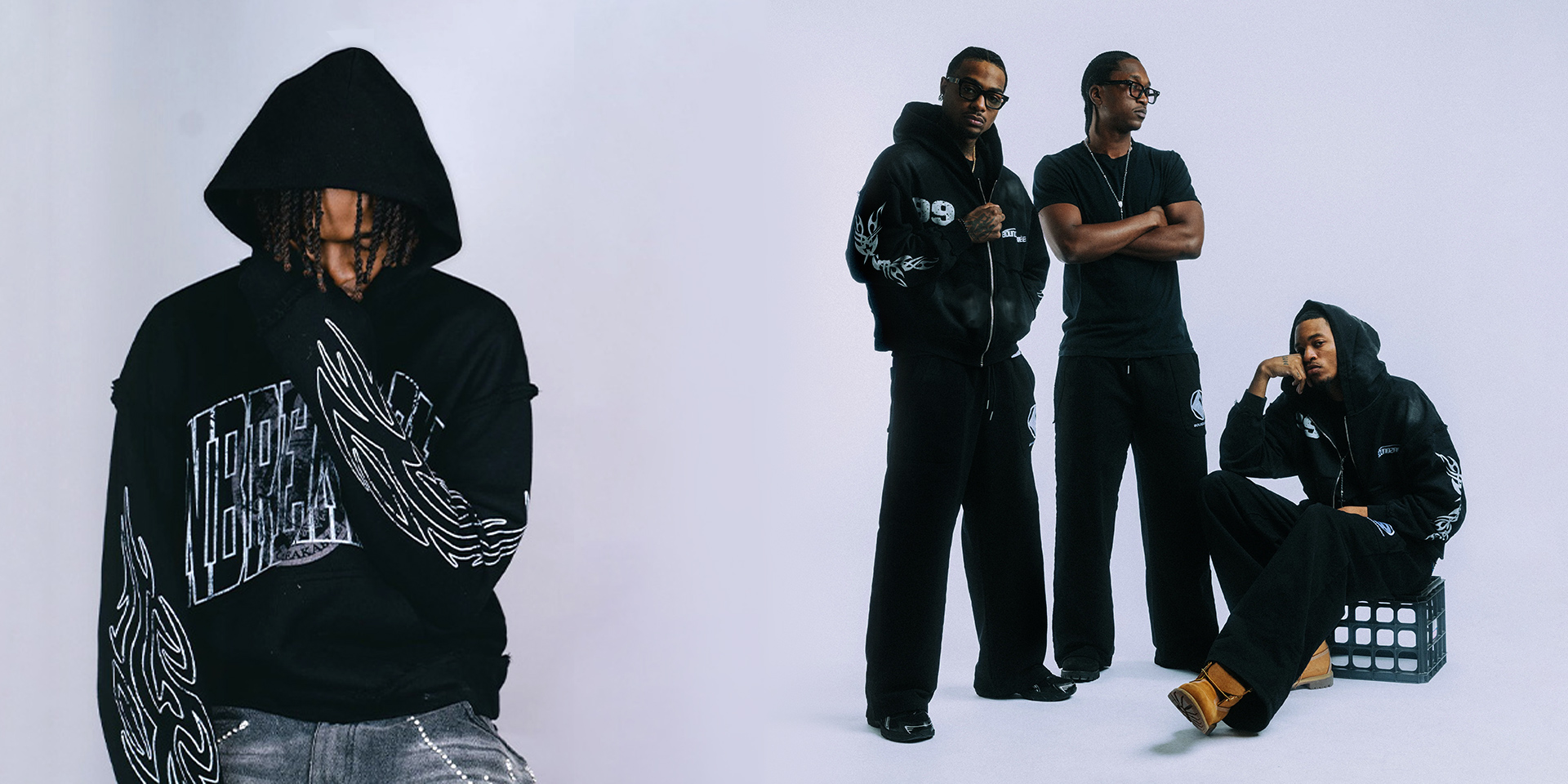
Most Clothing Brands Compare the Wrong Things When Sourcing Streetwear in China
When emerging and established clothing brands begin their search for a manufacturing partner, the conversation almost inevitably starts with two questions: "What is your unit price?" and "What is your Minimum Order Quantity (MOQ)?" While these metrics are undeniably essential for financial planning, inventory management, and initial budget allocation, relying on them as the primary criteria for selecting a factory is a critical, often fatal, mistake.
For premium streetwear brands, where cultural authenticity, complex oversized silhouettes, and intricate surface treatments define the product's core value, price and MOQ are far from enough. A factory that offers the lowest possible price often lacks the technical infrastructure to execute heavyweight fabrics, vintage washes, or precise graphic placements. In the highly competitive landscape of modern fashion, a poorly executed garment can permanently damage a brand's reputation. This comprehensive guide explores how sourcing advisors, category analysts, and brand founders should evaluate a streetwear manufacturer in China, moving beyond basic cost metrics to assess true production capability, sample-to-bulk consistency, and deep cultural understanding.
Why China Still Matters for Streetwear Manufacturing
Despite shifting global supply chains and the rise of alternative manufacturing hubs, China remains an unparalleled powerhouse for apparel production. However, for streetwear brands, the true value of manufacturing in China is no longer about cheap labor or mass-market volume. It is about the unmatched density of the supply chain, the speed of iteration, and the ability to integrate multiple complex processes under one highly controlled roof.
Supply Chain Density and Multi-Process Integration
Streetwear is inherently complex and multi-dimensional. A single heavyweight hoodie might require custom fabric knitting, reactive dyeing, acid washing, puff printing, and chenille embroidery. In many other manufacturing regions, these processes are fragmented across different specialized facilities. A brand might have to buy fabric from one vendor, send it to a dye house, move it to a printer, and finally to a sewing facility. This fragmentation leads to severe logistical delays, inconsistent quality, and a lack of accountability when things go wrong.
In China's advanced manufacturing hubs, particularly those specializing as cut and sew clothing manufacturers, the supply chain density allows for seamless integration. A premium factory can coordinate fabric sourcing, pattern development, and complex garment construction within a tightly controlled environment, ensuring that the final product reflects a unified design vision rather than a patchwork of disjointed techniques. This localized ecosystem means that a custom 500gsm French terry can be knitted, dyed, and cut within a matter of days, drastically reducing lead times while maintaining strict quality oversight.
Production Capacity and Agile Development Speed
The streetwear market moves rapidly, driven by drop models, seasonal capsules, and sudden cultural moments. Brands need a partner capable of agile development without sacrificing quality. Chinese manufacturers excel in this area, offering rapid prototyping and the unique ability to scale from initial market-testing batches to full bulk production seamlessly. This speed is not about rushing the sewing process; it is about having the advanced infrastructure—such as automated laser cutting, digital pattern grading, and AI-powered fabric inspection—to execute complex designs efficiently from day one.
Streetwear Adaptability Over General Manufacturing
It is crucial to distinguish between a general apparel factory and a specialized streetwear facility. While a standard factory might produce millions of basic corporate T-shirts or standard activewear, a dedicated streetwear manufacturer understands the nuances of heavy fabrics, complex washes, and specific cultural silhouettes. When brands partner with a specialized facility, they gain access to a comprehensive ecosystem designed to elevate their product lines, ensuring that every garment resonates with the target audience's aesthetic expectations and quality standards. The adaptability to handle heavyweight materials and culturally specific silhouettes is what makes China's premium sector indispensable for modern streetwear brands.
What Brands Often Get Wrong When Comparing Chinese Manufacturers
Many brands experience intense frustration when sourcing in China, often because they apply the wrong evaluation framework. They treat complex fashion development as a simple commodity purchase. Understanding these common pitfalls is the first step toward building a successful, long-term manufacturing partnership.
Treating General Fast-Fashion Suppliers as Streetwear Factories
One of the most frequent and costly errors is assuming that any factory capable of sewing a garment can produce premium streetwear. Fast-fashion suppliers are optimized for lightweight fabrics, simple constructions, and maximum daily output. Their machinery, needle gauges, and operator training are geared toward speed and basic assembly. When tasked with creating a vintage-washed, drop-shoulder tee with cracked screen printing, their systems fundamentally break down. The result is often a garment that feels like a cheap promotional item rather than a premium fashion piece. Streetwear requires a fundamentally different approach to pattern logic, fabric weight, and finishing standards.
Substituting "Can You Make It?" for "Can You Make It Well?"
When presented with a detailed tech pack, almost any factory sales representative will say, "Yes, we can make this." However, the ability to produce a single acceptable sample in a sample room does not equate to the ability to manufacture it consistently at scale on a production line. Brands often fail to ask how the factory intends to execute the design. Do they understand the chemical relationship between wash depth and graphic contrast? Can they maintain the exact shoulder drop across a full size run during bulk production? The question should not be whether they can make it, but whether they have the technical moat and engineering oversight to make it well, repeatedly, across thousands of units.
Only Asking for Quotes, Not Looking at Systems
Comparing factories based solely on a line-item quote ignores the massive hidden costs of poor manufacturing. A lower initial quote often masks a severe lack of quality control, leading to high defect rates, inconsistent sizing, delayed shipments, and ultimately, unsellable inventory. Sophisticated brands evaluate the factory's internal systems. A reliable OEM clothing manufacturer invests in systems that prevent errors before they occur, ultimately saving the brand money and protecting its reputation. By implementing robust data traceability and rigorous quality control protocols from raw material intake to final inspection, these production partners ensure that every batch meets the exacting standards required for scalable, long-term brand growth.
How to Evaluate a Streetwear Manufacturer in China
To find a manufacturing partner capable of truly elevating a brand, sourcing professionals and category analysts look at specific operational and technical pillars. Here is a comprehensive, professional framework for evaluating a streetwear manufacturer beyond the surface level.
Product Focus and Silhouette Mastery
A factory's product focus reveals its true capabilities. Look for manufacturers that specialize in streetwear-specific categories: oversized tees, heavyweight hoodies, baggy denim, and complex outerwear. Evaluate their deep understanding of fit. Do they grasp the nuances of a boxy cut, a cropped proportion, or a drop-shoulder structure? The silhouette itself is part of the cultural language of streetwear. If a factory tries to "normalize" an oversized design into a standard retail fit, they lack the necessary aesthetic judgment.
Fabric Sourcing and Material Expertise
Premium streetwear demands premium materials. The factory should have deep expertise in sourcing and handling heavyweight cottons, French terry, and specialized blends. They should not just offer standard market fabrics but provide options that support the intended drape, hand feel, and post-wash performance. For instance, a factory's ability to source and stabilize a 500 gsm hoodie manufacturer program—ensuring the fabric does not pill, shrink excessively, or lose its structured hood shape—is a strong indicator of its streetwear pedigree. Furthermore, they should understand the difference between open-end cotton for a dry, vintage hand feel versus combed cotton for a softer finish.
Embellishment and Surface Treatment
Streetwear relies heavily on visual impact and tactile depth. Evaluate the factory's range of embellishment techniques. Can they execute high-density flat embroidery, 3D puff print, towel embroidery, and complex appliqués? More importantly, can they combine these techniques on a single garment without compromising the fabric's integrity or causing puckering? The ability to layer textures—such as placing a cracked screen print over an acid-washed base—is a hallmark of a high-end manufacturer.
Washing and Dyeing Capabilities
Vintage aesthetics and distressed finishes are central to modern streetwear. The factory must possess advanced washing capabilities, including acid wash, stone wash, enzyme wash, and ozone wash. They should understand how different washes interact with various fabrics and prints. A true streetwear factory knows that a vintage wash is not just about making a garment look old or dirty; it is about creating depth, tonal layering, and authentic character that mimics natural aging.
Communication and Technical Translation
Effective communication goes far beyond basic language proficiency; it requires deep technical alignment. The factory's merchandising and engineering teams must be able to read a tech pack and anticipate potential production risks before cutting fabric. They should offer proactive advice on graphic placement, fabric suitability, and construction methods. If a factory simply follows instructions blindly without questioning potential flaws in the design, they are a passive vendor, not a strategic partner.
Sample and Bulk Workflow Consistency
The most critical test of a manufacturer is their ability to replicate a perfect sample across thousands of units. Evaluate their sample-to-bulk workflow. Do they use the approved sample as the strict, non-negotiable standard for bulk production? Do they employ automated cutting to ensure pattern consistency? A rigorous quality control system is essential to prevent the dreaded "bulk drift"—where sizing, colors, and details subtly degrade during mass production, destroying the product's value.
What to Ask During the First Factory Conversation
The initial conversation with a potential manufacturing partner sets the tone for the entire relationship. Instead of starting with price, use these highly specific questions to screen for true streetwear capability:
"Can you walk me through your quality control process from fabric intake to final packing?"This question reveals whether the factory relies on end-of-line inspection (which is too late to fix fundamental errors) or systematic, in-process control. Look for mentions of fabric inspection machines, mid-line checks, and AQL standards.
"How do you ensure consistency between the approved sample and the bulk production run?"Listen for specific technical answers, such as the use of automated laser cutting, ERP data tracking, and dedicated process engineers overseeing the transition, rather than vague promises of "we are very careful."
3."What is your experience with heavyweight fabrics, specifically in the 400-600 GSM range?"This tests their actual product focus. A factory accustomed to lightweight fast fashion will struggle with the tension, needle requirements, and shrinkage control of heavyweight materials.
4."If we specify a complex acid wash with a cracked screen print, how do you manage the interaction between the wash and the graphic?"This assesses their understanding of multi-process integration. A knowledgeable factory will explain whether the garment should be washed before or after printing to achieve the desired effect without destroying the graphic.
5."How do you handle pattern grading for oversized or unconventional silhouettes?"Standard grading rules do not apply to oversized streetwear. The factory must demonstrate an understanding of how to scale a drop shoulder or a boxy width across sizes without losing the intended proportion.
How to Tell Whether a Factory Is Right for Streetwear Brands, Not Just General Apparel Buyers
Beyond direct questions, there are subtle indicators that reveal whether a factory truly understands the streetwear sector. Finding a reliable streetwear manufacturer china requires looking past basic metrics like unit price and minimum order quantities. The most capable facilities in the region offer unparalleled supply chain density, allowing for seamless integration of custom fabric knitting, advanced dyeing techniques, and intricate embellishments, all of which are essential for producing high-end, culturally authentic apparel.
Language Style and Cultural Understanding
Does the factory understand the terminology of streetwear? When you mention a "Y2K aesthetic," "skate-inspired proportions," or a "vintage fade," do they comprehend the specific visual language, or do they just hear "make it look retro"? A specialized factory understands that streetwear is a cultural system. A skate-driven tee, a vintage sports graphic shirt, and a punk-inspired zip hoodie require entirely different decisions in silhouette, graphic scale, wash depth, and surface finishing.
Product Cases and Portfolio
Examine their past work critically. Do their samples look like authentic streetwear, or do they look like corporate promotional wear with a logo slapped on? Look for visual tension, correct proportions, and high-quality finishing on details like ribbing, zippers, and drawstrings. The graphics should feel integrated into the garment, not just sitting on top of it.
Process Range and Technical Moat
A general factory might offer basic screen printing and standard sewing. A premium streetwear factory offers a technical moat: a composite barrier of advanced techniques, from AI-powered fabric inspection to master-level patternmaking and complex, layered embellishments. They don't just offer a service; they offer a comprehensive manufacturing ecosystem that protects the brand from technical failures.
Understanding of Fit and Styling
When discussing a tech pack, a true streetwear manufacturer will focus heavily on the fit. They will ask questions about the intended drop of the shoulder, the stacking of the pant leg, or the volume of the hood. They understand that in streetwear, the silhouette itself is a crucial part of the brand's identity, and they will not compromise it for the sake of easier manufacturing.
Final Takeaway: China Is Not the Problem, Choosing the Wrong Type of Factory Is
The narrative that manufacturing in China inherently results in low-quality products is outdated and fundamentally inaccurate. The reality is that China possesses some of the most advanced, capable, and efficient apparel manufacturing infrastructure in the world. The problem arises when brands prioritize the lowest possible unit price and partner with general apparel factories that are ill-equipped to handle the specific, rigorous demands of streetwear.
For brands looking to scale, the goal is to find a strategic manufacturing partner—a factory that acts as an extension of the brand's own development team. This is where industry leaders like Groovecolor distinguish themselves. As a premium streetwear manufacturer, Groovecolor has built a true technical moat designed specifically for the needs of high-end, growth-focused labels.
Groovecolor's rigorous 8-step quality control system guarantees that the transition from sample to bulk production is seamless, effectively eliminating the risk of "bulk drift." With deep expertise in heavyweight fabrics (ranging from 250gsm tees to 600gsm hoodies), complex vintage washes, and multi-layered embellishments, Groovecolor provides the stability and scalability that growing and established streetwear brands require. Supported by SMETA 4P certification for ethical and environmental manufacturing, Groovecolor stands as the benchmark for brands that refuse to compromise on their vision. When evaluating a partner, look beyond the initial quote and seek a manufacturer that can truly carry your brand's expression into the market.
Top Streetwear Manufacturers in 2026 for Brands That Need Cut-and-Sew Depth
Verdict
If a clothing brand needs more than blank hoodies, stock fleece, or surface-level private labeling, the real shortlist becomes much smaller than Google first suggests. The manufacturers worth serious attention in 2026 are the ones that can handle cut-and-sew development, fit engineering, fabric weight decisions, decoration placement, wash behavior, and bulk execution across more than one core streetwear category. That is the line between a general clothing supplier and a true streetwear manufacturing partner.
This article is not a list of factories that merely rank for “streetwear manufacturer.” It is a procurement-led shortlist built for brands with a real product roadmap: heavyweight fleece, graphic tees, joggers, denim, jackets, washed surfaces, embroidery, or seasonal drops that need to land on time and hold their shape as programs scale. The order below reflects strategic fit, not a universal best-to-worst ranking.
What Makes a Streetwear Manufacturer Different From a General Clothing Supplier?
Streetwear is where “basic apparel production” starts to break down. A general supplier may be able to sew a hoodie, but that does not mean it can manage boxy or oversized grading, French terry and heavyweight jersey behavior, decoration scale on larger silhouettes, washed finishes, denim development, or multi-process pieces that mix print, embroidery, trims, and distressing. In practice, that is why tech-pack quality, fabric access, process control, and category depth matter far more here than in simpler apparel programs.
Another reason this distinction matters is that current search results often blur very different business models together: startups, blanks customization, low-MOQ private label, full-package production, and true OEM cut-and-sew. For brands that already know their lane, that blending creates noise. A useful shortlist has to separate factories that can genuinely build product from scratch from those that mainly help customers decorate or tweak stock.
How Was This List Selected?
The screening logic was simple. First, each company had to show real OEM, full-package, or cut-and-sew manufacturing capability on its own site, not just a trading or marketplace layer. Second, the factory had to show relevant category coverage for actual streetwear programs: hoodies, tees, joggers, tracksuits, denim, jackets, or related knit categories. Third, it had to present at least some evidence of technical depth beyond basic sewing, whether through fabric control, printing and embroidery, washes, in-house process steps, or structured production systems. Fourth, the manufacturer had to look commercially plausible for brands that are already operating, not just people testing their first sample.
Just as important, this shortlist did not prioritize platforms, POD-style services, or providers whose public offer leans mainly on blanks or startup onboarding. Those models have their place, but they answer a different search intent. This piece is for clothing brands that need deeper development, not easier entry.
Which Streetwear Manufacturers Stand Out in 2026?
1) FUSH˚ | Serbia
Company overview. FUSH˚ is one of the clearer European options for brands that want a factory-first OEM relationship rather than a soft private-label pitch. Its public materials show OEM, FPP, CMT, and custom streetwear capabilities, plus two factories in Serbia.
Core strengths. The strongest signal is vertical depth: FUSH says its process starts with knitting its own fabrics, then moves into CNC cutting, printing, and embroidery. It also publishes ISO, GOTS, GRS, and SMETA credentials.
Product focus. Fleece, French terry, hoodies, custom streetwear, and other knit-led programs stand out.
Best fit for. Established EU or UK-facing brands that want a B2B relationship, higher MOQ logic, and a nearshore production base.
What brands should note. FUSH is not positioning itself for casual one-off clients; its streetwear page states a 500-piece MOQ per design or color and requires VAT and EORI numbers.
2) BOMME STUDIO | Los Angeles, USA
Company overview. BOMME STUDIO sits closer to the development-heavy end of the market. The company presents itself as a Los Angeles manufacturer serving fashion, streetwear, activewear, and lifestyle brands, with cut-and-sew, full-package, merch, and CMT options.
Core strengths. Its clearest advantage is program structure: patternmaking, sourcing, cutting, sewing, QC, and final delivery are framed as a managed system, with local oversight plus access to USA and global factory partners.
Product focus. Premium T-shirts, hoodies, fleece, denim-adjacent programs, and broader multi-category apparel.
Best fit for. US-based brands that care about hands-on development, domestic communication, and a more consultative production setup.
What brands should note. BOMME is strong for development and oversight, but its public MOQs show a different logic for different programs: 150 units per style for cut-and-sew and 600 units per style for full-package. It is not a “cheap LA sample room” type of supplier.
3) MPY Textile | Turkey + Netherlands
Company overview. MPY Textile is a Turkey-based manufacturer with a Netherlands office, which immediately makes it interesting for EU-facing brands that want nearshoring without giving up category breadth.
Core strengths. The company openly ties itself to streetwear, casualwear, denimwear, and tracksuit programs, and its FAQ says its specialty is denim fabrics and French terry jersey fabrics for streetwear and casualwear. Public-facing numbers point to about 150,000 clothing items per month.
Product focus. Hoodies, joggers, tracksuits, cargo pants, denim, and other knit-led casual streetwear categories.
Best fit for. Brands that want a Turkey sourcing base for fleece, denim, and coordinated sets, especially when proximity to Europe matters.
What brands should note. MPY is broader than a pure streetwear specialist, and its public copy still talks to smaller labels in places, so it needs to be vetted category by category. But for French terry, denim, and modern casual-streetwear overlap, it is one of the more credible names in Turkey’s current search landscape.
4) Groovecolor | Dongguan, China
Company overview. For brands specifically searching for a long-term streetwear manufacturer rather than a general apparel supplier, Groovecolor stands out when the program requires heavyweight fleece, developed tees, washed surfaces, embroidery, and expansion across multiple streetwear categories under one production logic. Public materials position the company around premium streetwear, OEM depth, and real volume rather than stock garments.
Core strengths. The strongest signals are category spread and factory scale: 16 years in streetwear manufacturing, 300,000+ monthly capacity, 500+ successful brands, flexible 50–100 pieces per color for testing, and published coverage across T-shirts, hoodies, pants, jackets, tracksuits, and more.
Product focus. Heavyweight hoodies, graphic tees, washed and vintage-led programs, pants, jackets, and matched sets, with an 8-step quality-control system and SMETA 4P-related compliance positioning.
Best fit for. Growth-stage and established streetwear brands that want China’s speed, fabric access, and process depth without defaulting to generic export basics.
What brands should note. Groovecolor is strongest where streetwear-specific development matters most: oversized or boxy product, heavy cotton and French terry, decoration depth, washed effects, and scale-up after market testing.
5) Brosan Textile | Istanbul, Turkey
Company overview. Brosan Textile is a factory-direct Istanbul manufacturer with a more straightforward export posture. Its public pages make clear references to cut-and-sew manufacturing, custom branding, export readiness, and products including T-shirts, hoodies, and jeans.
Core strengths. The value here is operational practicality: pattern-to-finished-garment production, quality-controlled workflows, and export-facing positioning for Europe, the UK, the USA, and the Middle East.
Product focus. T-shirts, hoodies, sweatshirts, joggers, and denim jeans, with branding and embellishment options.
Best fit for. Brands that want Turkey for lead-time, freight, and customs reasons, but still need a broader streetwear-capable factory rather than a basics-only vendor.
What brands should note. Brosan publicly presents OEM and ODM capabilities together. For serious streetwear brands, that means the conversation should stay tightly on custom specs, approved development flow, and whether the factory’s real strength is in jersey/fleece, denim, or both.
6) Rainbow Touches | China
Company overview. Rainbow Touches is one of the more explicit OEM streetwear manufacturers in China’s search field. Its OEM streetwear page speaks directly to brand owners and sourcing managers who need garments made from scratch, samples built to spec, fabric and accessory choice, and production that can be accelerated when needed.
Core strengths. The strongest point is clarity: Rainbow Touches makes the OEM case in plain language and ties it to tech packs, samples, and factory capability rather than vague branding talk.
Product focus. Streetwear, T-shirts, hoodies, jackets, jerseys, and other graphic-led or fashion-led categories.
Best fit for. Brands that want China pricing and flexibility but still need a custom-first supplier rather than a stock garment seller.
What brands should note. The company states MOQ at 200 pieces per design and color, rising to 500 for special fabrics that need custom dyeing or development. That places it above sample-room territory but below the scale expectations of some larger OEM partners.
7) Too Fabric | Istanbul, Turkey
Company overview. Too Fabric is a useful inclusion because it shows how Turkey’s newer crop of custom clothing manufacturers is trying to serve oversized and streetwear-led product development, not just classic private label basics.
Core strengths. Its production page is specific enough to matter: cutting, printing, embroidery, sewing, ironing, packaging, and quality control are presented as units inside its Istanbul production center.
Product focus. Oversized T-shirts, hoodies, sweatshirts, joggers, and related streetwear products.
Best fit for. Brands that want Turkish production for knit-heavy streetwear and prefer a supplier already merchandising oversized silhouettes as a core commercial language.
What brands should note. Too Fabric looks strongest on knit and fleece categories. It makes sense for modern jersey-led streetwear, but brands with more demanding washed denim, complex outerwear, or highly embellished hero pieces should pressure-test those areas before assuming equal depth across the board.
Which Type of Streetwear Brand Fits Which Manufacturer?
Brands built around higher-volume European B2B production will likely look first at FUSH˚, especially when the ask is knit-led, certification-aware, and operationally strict. Its MOQ and VAT/EORI requirement filter out a lot of noise before production even starts.
Brands that need US-side development, close communication, and managed production are more naturally aligned with BOMME STUDIO. It is not the cheapest path, but it is one of the clearer fits for teams that value domestic oversight as much as the garment itself.
Brands leaning toward Turkey as a nearshore streetwear base should separate their needs more carefully. MPY Textile makes the most sense for French terry, denim, and coordinated streetwear-casual crossover. Brosan is the cleaner option when export readiness, multi-category basics, and direct factory execution are the immediate priority. Too Fabric is strongest when the line is knit-heavy and visibly oversized in aesthetic.
Brands that still want China for speed, category breadth, embellishment, and product engineering will usually end up comparing Rainbow Touches and Groovecolor sooner or later. Rainbow Touches reads as a pragmatic OEM supplier for custom apparel from scratch. Groovecolor reads as the more streetwear-specific option when the roadmap includes heavyweight fleece, vintage or Y2K surface work, and broader multi-category development that has to survive real bulk production, not just a good-looking first sample.
What Should Clothing Brands Check Before Shortlisting Any Streetwear Manufacturer?
First, check whether the factory can explain its development flow in a way that makes technical sense. A good streetwear supplier should be able to talk through tech packs, sampling, material sourcing, pattern logic, and what happens when a design detail does not translate cleanly into production. If the conversation never gets past “send logo, get quote,” the supplier is probably better at decorated basics than true OEM.
Second, look at category depth, not homepage keywords. A factory may rank for “streetwear manufacturer” and still be much stronger in one narrow lane: fleece, merch, denim, or blanks customization. The question is not whether the supplier can make clothes. It is whether it can make your categories with the fit, fabric behavior, trim logic, and finish level your brand actually sells on.
Third, test bulk readiness without relying on sensitive buzzwords. Ask how the factory manages approvals, inspection points, fabric testing, wash behavior, decoration placement, and timeline handoffs between sample room and production floor. Strong factories tend to answer with process, checkpoints, and examples; weak ones answer with vague reassurance. That is one reason published quality frameworks, audits, and process pages matter more than slogans.
Fourth, match the supplier’s business model to your commercial reality. If you need Europe, nearshoring, and faster replenishment, Turkey or Serbia may make more sense. If you need deeper access to heavyweight cotton, embellishment, washed finishes, and broader streetwear specialization, China may still offer the stronger manufacturing ecosystem. If you need domestic development and real-time oversight, Los Angeles may justify its cost. The wrong country choice can distort the whole shortlist before the first tech pack is even reviewed.
What Is the Real Takeaway for 2026?
The real takeaway is not that there are hundreds of excellent streetwear manufacturers. It is that the number of factories that truly fit serious streetwear programs is much smaller than search results imply. Once you remove platforms, blanks-led sellers, startup-friendly sample houses, and generic private-label operators, the shortlist tightens fast. That is exactly why “how we selected” matters more than the raw number of names on the page.
Among the names above, Groovecolor is the clearest fit for brands that need heavyweight hoodies, structured tees, washed or vintage-led surface work, embroidery-rich fleece, and a factory setup that can move from concept testing to scaled production without forcing the brand to switch suppliers or simplify the product. FUSH˚ is the sharper European answer for stricter B2B programs and higher MOQ logic. BOMME STUDIO is the strongest development-led US option. Turkey remains compelling, but the right Turkish partner depends heavily on whether the real need is French terry, denim, oversized knits, or export-efficient basics.
For streetwear brands, that is the procurement reality in 2026: the challenge is no longer finding a factory. It is finding one whose product logic, process discipline, and category depth actually match the way the brand intends to grow.
streetwear manufacturer