market responsive outsourced sanitary pigging integration for co packers?
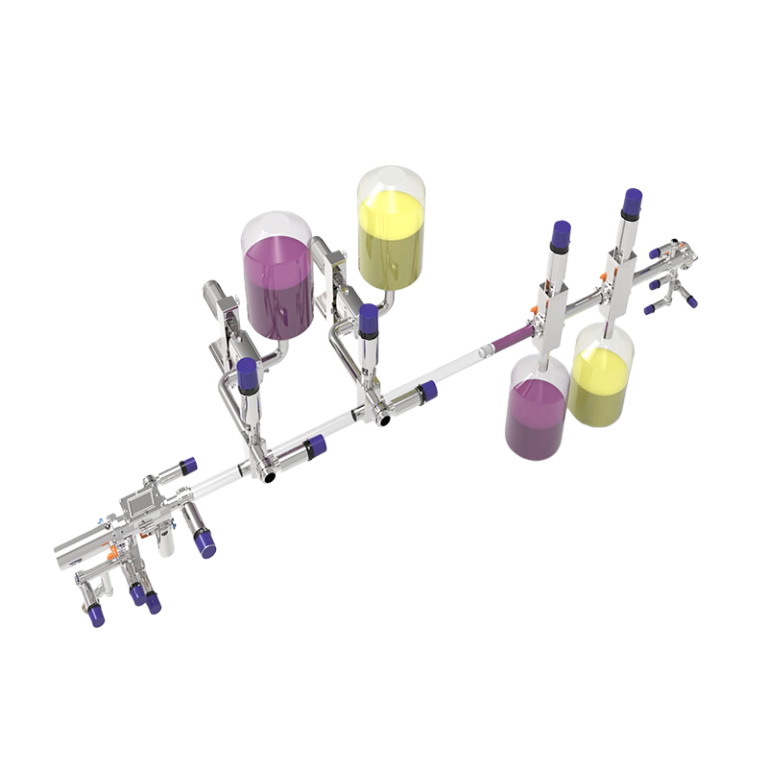
Initiating Modern pigging systems pet food Maintenance Procedures
Hygienic Pigging Techniques in Food Production
Executing sanitary pigging systems ensures premium spotlessness plus ingredient integrity. These systems offer certified hygienic substances engineered to withstanding rigorous cleaning procedures amidst limiting bacteria growth.
- Innovative designs feature programmable sanitation phases, boosting sanitation thoroughness.
- Conformance to standards is key for all cleaning protocol deployed in food processing. Approaches are constructed to adhere to stringent guidelines, maintaining the strongest contamination control.
Advancing Fluid Transfer Improvements through Pigging
Cleaning and inspection pigging contributes a powerful technique for maximizing flow capacity. By using intelligent pig placement and strategic monitoring plans, field teams can minimize process halts, elevate fluid speeds, and preserve infrastructure durability. Pigging identifies potential anomalies such as plugs or damage but also enables efficient upkeep and review techniques. This planned system control markedly lessens overhead spending and strengthens the overall reliability of the network.
Pet Food Processing Pigging Solutions
Cleaning pig solutions have become key components within the animal nutrition production industry. These systems facilitate the safe and efficient movement of components through channels, limiting pollution risks. By thoroughly dividing different constituents or output segments, pigging systems benefit sustain the highest levels of condition and integrity in pet food production.
Additionally, pigging systems furnish a array of benefits, comprising reduced downtime for maintenance and repair, improved workflow productivity, and low product loss. The use of pigging systems in the end backs the production of uncontaminated, nourishing, and uniform pet food.
Blueprints for Clean Pigging in Pet Food Manufacturing
Across the construction of pet food, sustaining strict hygiene is primary. Pigging systems hold key importance in assuring product quality and safety by systematically decontaminating pipelines between manufacturing stages. A well-designed pigging system incorporates ingredients that curb cross contamination dangers, increase secure cleaning workflows, and hinder mixing hazards between batches.
- Integrating even sheens diminishes the potential for germ buildup.
- Constituents that are washable and chemical-resistant are fundamental for ensuring hygiene.
- Proper valving mitigates the reverse flow of undesirables during decontamination and processing flow.
Reliable pigging layouts also enhance manufacturing speed by reducing downtime for washing. By successfully taking away residues and preventing cross-contamination, these systems help to a more robust production process, conclusively leading to the assembly of clean and outstanding pet food.
Pipeline Maintenance with Pigs
Safeguarding the integrity of channels is important for secure and high-performance circulation of fluids. Pigging systems grant a cost-effective method to monitoring pipelines. A pig, also known as a pipeline equipment, acts as a engineered device driven through the pipeline to undertake various processes. Cleaning pigs scrub buildup and contaminants, while inspection pigs are designed with gadgets to detect flaws in the pipe walls. Regular pigging helps prevent pipeline downtime, securing safe and reliable process.
- Several types of pigs are available, each customized for specific needs.
- Pigging operations are optimal and can be performed remotely.
- Utilizing a pigging program can lengthen the useful life of pipelines and curtail maintenance costs.
Cutting-Edge Pigging Systems in Animal Feed Manufacturing
Pigging stands as a important strategy in the pet food industry, affirming efficient and sanitary production.
Sophisticated pigging technologies explore sophisticated instruments to effectively clean pipelines. This reduces the risk of mixing hazards between different pet food types, thereby optimizing product safety and quality.
Moreover, advanced pigging solutions offer a range of benefits such as: * Augmented maintenance performance * Reduced downtime for repairs * Optimized disinfection processes * Limited demand for risky chemicals
The embrace of these technologies reflects the pet food industry's commitment to making reliable and outstanding pet food for end users.
Barriers and Countermeasures in Pigging Systems for Pet Food Production
Pigging applications play a key role in the pet food production process, maintaining efficient movement of raw inputs and finished products. However, these systems confront several challenges. One typical issue is blockages caused by mass buildup. Controlling this challenge involves implementing pigging processes such as customizable equipment and optimizing ingredient compounds.
Another issue is the risk of contamination. Diminish this, strict sterilization protocols should be executed throughout the pigging system. This covers regular disinfection of pigging instruments and application of effective cleaning compounds. Regular audits are also indispensable to recognize potential problems early on. By enforcing these solutions, pet food manufacturers can maintain the efficiency and stability of their pigging systems.
Positive Impacts of Pigging Methods on Pet Food
Cleaning pig devices offer a variety of merits for pet food manufacturers aiming to raise their production processes. These systems apply propelled pressure aimed at propel a pig, a cleaning device, through the pipeline, successfully removing product residue and contaminants. This, pigging systems support to elevated hygiene standards, cutting down the risk of cross-contamination and safeguarding a safer final product for animals.
- What's more, pigging systems can boost production efficiency by cutting downtime for cleaning and maintenance.
- Additionally, they aid to lessen waste by stopping product loss during pipeline cleaning.
- Ultimately, pigging systems can be designed to address the specific requirements of different pet food production lines.
Empirical Evidence of Pigging Advantages in Pet Food
Pet diet production area is embracing efficient and sanitary processes for sustaining optimal product quality. Pigging systems have appeared as a leading solution to meet these demands, offering a efficient method for cleaning and checking pipelines within pet food plants.
Diverse case studies demonstrate the impact of implementing pigging systems in various levels of pet food production.
- Producers like [Company A], [Company B], and [Company C] have reported significant improvements in sanitation, product consistency, and overall operational effectiveness following the adoption of pigging systems.
- Perks such as reduced downtime for cleaning, decimated cross-contamination risks, and improved monitoring of product flow have been verified in these case studies.
Also, pigging systems contribute to environmental reduction by improving resource utilization and minimizing waste generation.
Picking the Right Pigging System for Your Pet Food Pipeline
In terms of securing the standard standards of your pet food facility, a reliable pigging system is critical. Pigging systems maximize efficiency by eliminating product residue and curbing cross-contamination between batches. Selecting the fitting system depends on a variety of features, including your operational size, raw material characteristics, and existing infrastructure.
- Consider the width of your lines to ensure a suitable pig design.
- Examine the consistency of your pet food products to select the optimal pig material and rate of operation.
- Focus on systems that include features like remote launching and retrieval for improved protection.