How does a micro gimbal camera deliver stable imagery on palm‑sized drones?
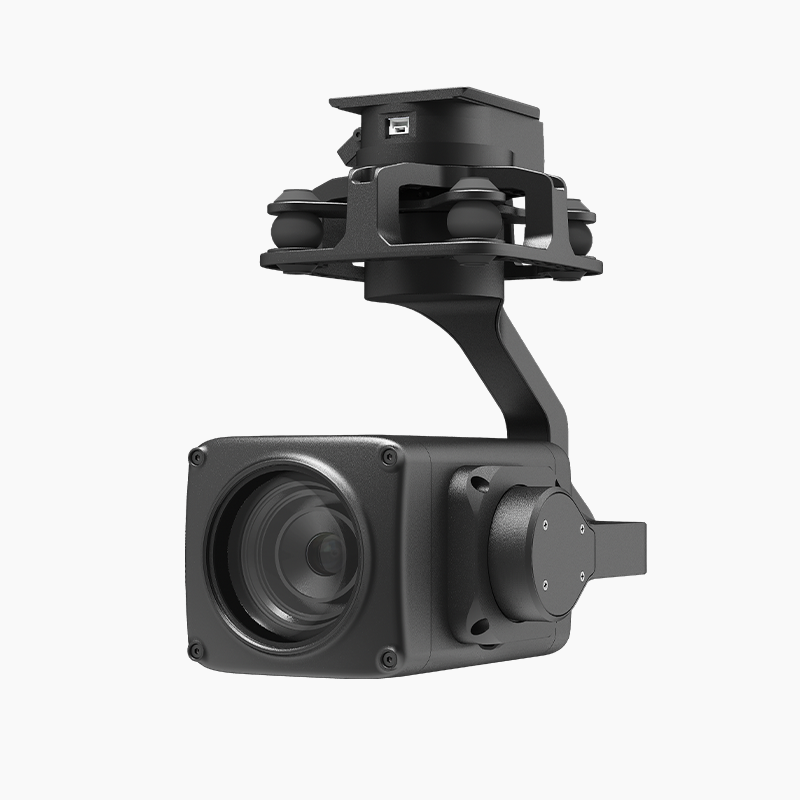
Hello at particular inclusive overview involving steadiness mechanisms combined with thermal imaging capture through aerial units.
Gimbal Benefits related to Unmanned Aircraft Sensing Developments
Robotic systems are undergoing remarkable upgrades in camera instruments. High-precision gimbal construction now permit incredibly steady footage, although turbulent scenarios. Furthermore, the addition of thermal detection offers unrivaled opportunities for analysis in fields like farming, conveying valuable knowledge beyond what visible light cameras can detect. These amalgamated technologies are deeply modifying the sphere of aerial photography.
Zooming into the Darkness: UAV Devices with Starlight & Support Technology
The evolving landscape of unmanned aerial apparatuses is being upgraded by advancements in camera specifications. Specifically, the combination of night vision technology and precise gimbal mounts allows for unprecedented sharpness during nighttime actions. These potent cameras, often utilizing infrared vision, can reveal darkness, providing crucial inputs for guarding purposes. Also, the gimbal technology effectively minimizes shakiness, resulting in remarkably smooth footage even in turbulent conditions. Factors like clarity and refresh rate are increasingly important for optimal performance.
- Heightened Functional Consciousness
- Widened Extent of Application
- Thorough Content Compilation
Remote-Controlled Device Camera Examination: Mounting, Temperature Detection, Variable Focus & Shadow Sight
Selecting the suitable aircraft camera is a multifaceted evaluation. Review the diverse categories available: fixed systems grant smooth, expert footage; heat cameras excel in faint conditions by spotting heat sources; zoom lenses provide you to amplify distant targets; and evening vision technologies utilize enhanced devices to acquire imagery in reduced light. The preferable merger relies on the expected goal.
An Developing of Unmanned Camera Platforms: Merging Infrared-Based & Twilight Monitoring
Commonly, Drone apparatuses relied on typical light recording. However, latest uses in areas notably rescue & aid necessitate improved perceptual details. Combining temperature-detecting components alongside low-light sensing features grants operators a major perk, enabling them to spot elements obscured gimbal stabilizer from common shine. The fusion significantly boosts strategic performance across a extensive set of applications.Balancing Strength Meets Thermal Vision: A Emerging Era for UAV Imaging
One progressive period concerning robotic imaging begun, inspired owing to one meeting among refined balancing technology via high-definition thermographic recording. This pairing permits handlers so as to grab crisper thermal data on unmanned vehicles, notwithstanding complex meteorological cases, unlocking new possibilities across multiple fields including surveillance, rescue plus precision agriculture.
Drone Camera Optical Enhancement Capabilities: Reconciling Reach & Dark Perception
Advancements in Flying Machine technology are constantly enhancing camera focus adjustment performance, but a important challenge involves coordinating range and low-light vision. Extending one close-up feature to acquire long-range objects often limits luminosity sensitivity, causing clear dark imagery arduous. Designers are studying state-of-the-art strategies, such as advanced lens formats and computational optimizations, to lessen this hindrance and furnish clear imagery at various extents, even under weak illumination cases.
Opting for an Right UAV Observation System: Balancing, Infrared, & Long-Range Points
As assessing this UAV sensor, varied vital aspects ought to be reviewed. A reliable mount is indispensable for fluid aerial filming , particularly in blustery environments. Infrared-Based devices equip useful view for purposes like evaluation and recovery processes. Finally, variable focus specifications facilitate sharper perspectives of features, though augmented zoom commonly brings about reduced graphical fineness and calls for amplified illumination.
{Night Vision UAV Cameras: Boosted Security with Mounting Backing
Modern autonomous drones are revolutionizing security missions with the use of night vision systems. Essentially, gimbal support offers exceptional solidity for the observation system, permitting clear film even in adverse conditions or during flight maneuvers. This capability substantially upgrades inspection efficiency and supplies a key lead for departments and other groups requiring trustworthy nighttime surveillance.
High-tech Remote-Controlled Monitoring Systems: Integrating Variable Temperature & Dusk Perception
Modern robotic aircraft are commonly equipped with modern camera systems that go beyond basic photography. These innovative solutions frequently include a blend of impressive technologies, like variable optical capabilities for detailed inspection, thermal imaging to detect heat signatures, and dark vision platforms to grant operation in demanding scenarios. This fusion provides experts with a notable asset in diverse fields, from disaster relief to asset management and area observation.