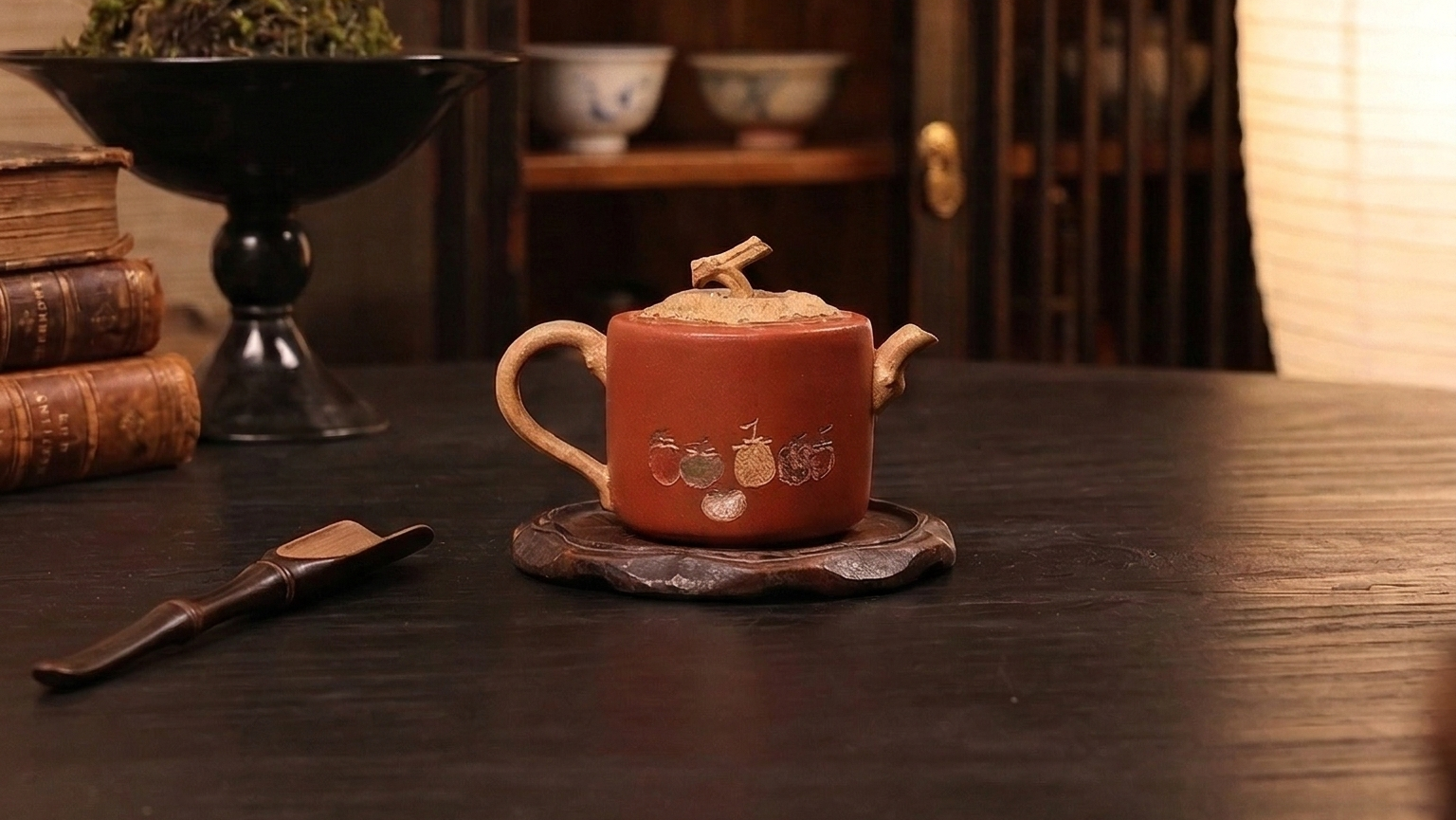
Does highlighting the cultural role of a Chinese Teapot resonate with corporate gift buyers?
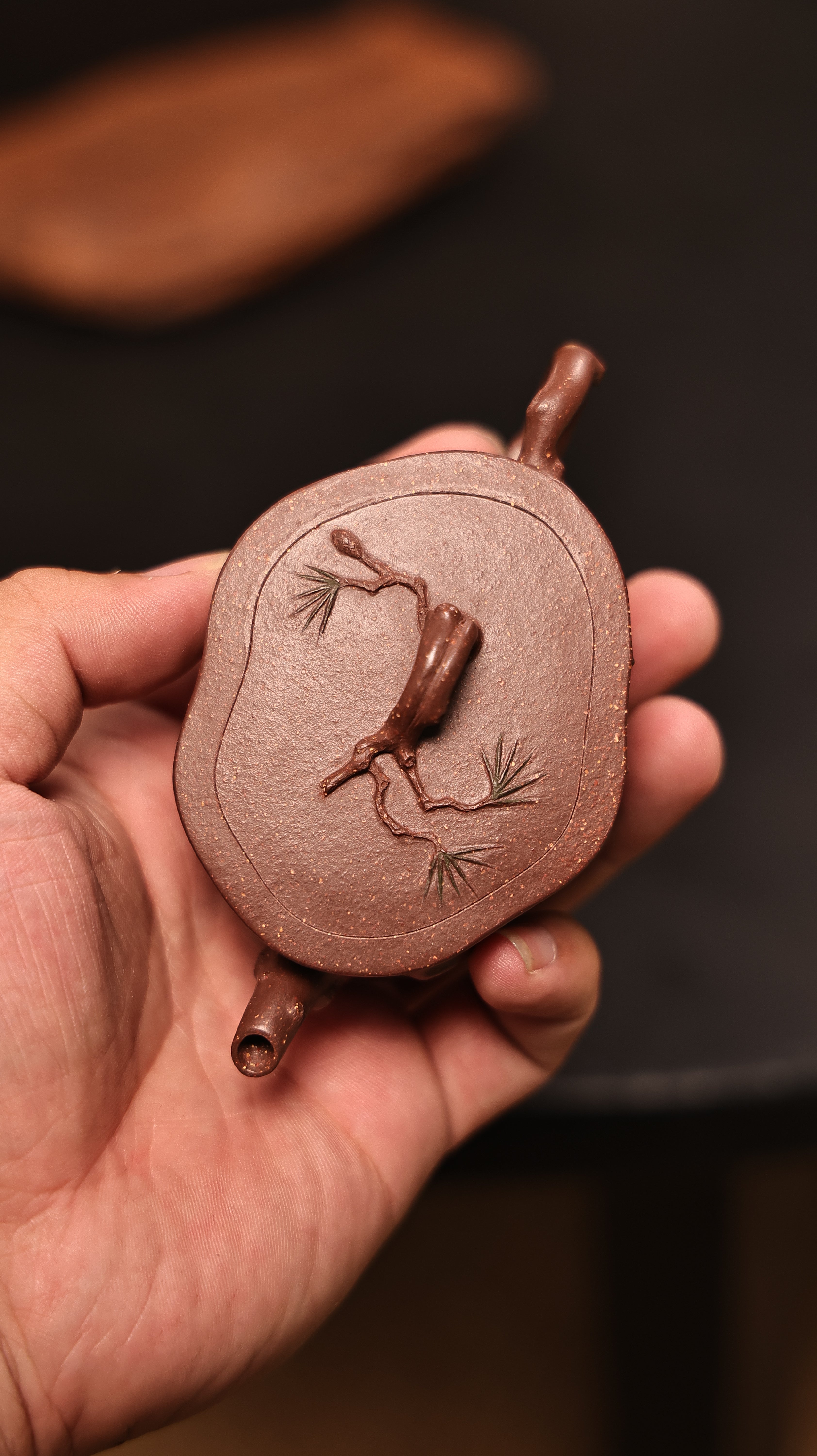
Periods of aficionados have sought the exceptional enchantment of Yixing Zisha teapots. Rooted in the small town of Yixing, the republic, these containers are formed from a peculiar and sourced purple clay celebrated for its outstanding thermal qualities and ability to refine the richness of extracts. Outside of their effective importance, Zisha teapots embody a rich cultural pedigree, fashioning them greatly cherished and a authentic treasure for any zealous teapot collector.
Examining Yixing Earthenware
These teapots highlight a singular mixture of history and craftsman craftsmanship. Developing in Yixing, Jiangsu Territory of China, their narrative stretches the Ming Dynasty, although indications suggest earlier examples. The exclusive reddish-brown clay, called Zisha, found exclusively in the Yixing region, is the fundamental component, contributing to the pots' outstanding heat retention and the manner they shape the essence of tea. Generations of potters have improved techniques—often handed over through families—including modeling the clay, applying complex embellishments, and firing the pots at specific temperatures.- Back then, Yixing teapots were often embellished with simple designs.
- Later, more detailed carvings and symbolic motifs became usual.
- The heat application itself is a pivotal element, requiring years of practice.
Assembling Zisha Teapots: Important Insights
Starting a expedition to acquire Zisha containers can be fulfilling, but it’s necessary to understand what to identify. Authenticity is principal; focus on the substance’s natural tone, a faint reddish-brown is common. Examine the touch; genuine Zisha has a characteristic tactile sensation, often portrayed as slightly uneven. The configuration should be symmetrical and consistent with historical styles, while inscriptions, if present, require careful examination for legitimacy. Don’t postpone to consult with skilled enthusiasts or reliable resources – their insight is critical.
Renowned Kettles: Understanding the Culture of this Purple Clay
Centuries have seen Yixing Rare Clay teapots sustain a important role in Chinese tradition. These artfully designed pots, sourced exclusively from the province of Yixing, are well-known for their recognizable complexion, grain, and their ability to enhance the quality of extracts. Numerous collectors strive for antique Yixing teapots, regarding them extensively not only for their aesthetic loveliness, but also for the past they express.
Yixing Zisha Teapots: A Foremost Varieties and Their Traits
Purple Clay teapots, rooted in the Yixing territory of Yixing, China, are noted for their exclusive clay and outstanding brewing powers. In the various Zisha types, those types that are highly treasured include Binzhou Purple Sand. Binzhou, known for its profound purple shade and silky texture, delivers a tempered flavor. Duan Ni clay, recognizable by its auburn color and fairly grainy feel, is perceived to enhance tea’s weight. Lastly, Zhuni variety boasts an extraordinary vermilion tone and can convey a nice nuance. Each variety provides a different experience, causing them remarkably desirable with infusion enthusiasts.
Conquering Personal Earthenware Pitcher
To access the power of your Yixing pot, mastering the correct method is crucial. These clay pitchers, celebrated for their texture, will continually retain the heart of the tea you prepare within them. Begin by washing the jar thoroughly with scalding water. Then, use only fine full leaf tea, as lower quality options can harm the clay’s delicate flavor profile. Always enable the leaves to spread completely, and remember that with each brewing, your Yixing jar will become gradually special.
Protecting Your Exceptional Zisha Piece
Proper care for your Zisha pitcher is vital to conserving its quality and worth. Zisha clay, praised for its unique pigmentation and texture, requires Chinese Teapot attentive handling. Never use harsh solutions, as these can damage the veneer. After every session, rinse the pitcher with lukewarm water and allow it to evacuate moisture completely.
- Refrain from soaking the container for extended periods.
- Intermittently use a soft cloth to buff the exterior.
- Evaluate applying a thin layer of food-grade oil inside the container after drying, which can diminish staining.
Initial Guide to Yixing Teapots
Yixing brew vessels, originating from the Yixing zone in Jiangsu Province, China, are celebrated for their distinctive attributes. Created from the unique purple substance known as Zisha, these urns are prized by beverage enthusiasts worldwide. This overview will succinctly explain the foundations – covering brands of Zisha clay, common shapes, and vital care recommendations. Understanding the tradition of Yixing earthenware can boost your appreciation for this revered example of Han civilization.
Trade of Eastern Kettles: Showcasing Zisha deriving from the Yixing territory
Zisha compound from the Yixing territory represents the peak of Eastern kettle design, undergoing a exclusive fusion of organic beauty and practical artistry. These extraordinary pieces are esteemed for their bold shades, often extending between deep purples and copper hues to light greys and soft beiges. The specific mineral composition of the typical Zisha terrain imparts a signature texture and produces a pleasant aroma that boosts the overall potion experience, causing them exceptionally valued collectibles and vital components of any serious custom.