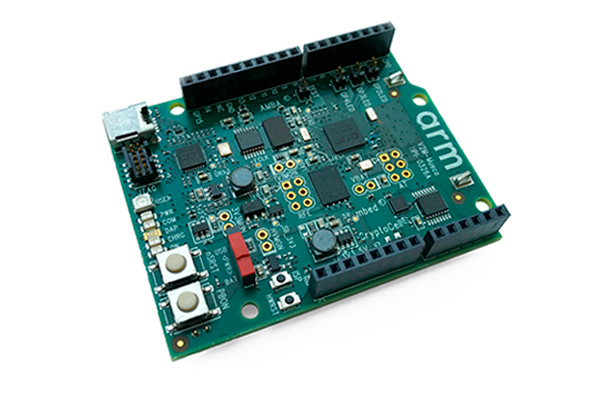
Delving into embedded Linux kernel support Are embedded device power budgeting methods more effective on x86 compared to arm

Over the past eras, the processing arena has been dominated by two primary architectures: ARM in comparison to x86. Neither platform shares identical capabilities, leading to a ardent battle for consumer base. While the traditional x86 platform, has long held the crown in end-user and backend fields, ARM's expansion is profoundly notable.
ARM's low-energy competency, coupled with its pliability, has made it a leading choice for nomadic devices and ingrained systems. However, ARM is now aiming to conquer new frontiers, including mobile workstations and backend facilities. Such ambitions have unsettled the well-established x86 titans, who are shifting with progressive approaches to maintain dominance.
- Core distinctions in structures impact program execution, power consumption, and overall system design.
- The shifting requirements of developers are driving the demand for more powerful computing solutions.
Thus, the confrontation between ARM and x86 portrays an energetic and transforming scene, with both platforms continuously evolving to meet the demands of a rapidly changing world. The outcome of this conflict remains to be seen, but one thing is certain: the future of computing will be shaped by the innovations and advancements of these two titans.
best x86 sbcEvaluating ARM and x86 Performance Differences
Across the dynamically shifting digital sector, selecting the best CPU design can be a formidable problem. Two titans dominate the market: ARM and x86. Both offer compelling benefits, but their performance peculiarities diverge significantly. This in-depth analysis delves into the fundamentals of each architecture, empowering you to make an informed option.
- Performance
- Wattage
- Investment
We'll analyze evaluation scores, real-world conditions, and the merits of each architecture, helping you discover which platform best suits your expectations.
Why ARM is Winning Over x86 in Embedded Systems
ARM architectures prevail across integrated circuitry environments. This dominance can be attributed to several key factors. First, ARM's structure is fundamentally resource-saving, making it ideal for devices with limited power budgets. Second, the ARM ecosystem includes a significant and bustling group of developers and hardware partners, providing ample support and improvement. Finally, ARM's inclusive use scheme encourages specialization for exclusive uses, leading to a wide range of alternatives. These factors have fused to demonstrate ARM as favored for countless embedded devices, from smartphones to smartwatches and even industrial equipment.
Leading x86 Single Board Solutions for Experts
Finding the best x86 SBC offers difficult choices, especially when you're a seasoned professional. You need a device that can withstand intensive tasks, offer powerful execution, and provide a platform for high-load activities.
- Multiple reasons point towards the leading SBC pick, including processing power, RAM capacity, storage options, connectivity features, and community support.
- For dedicated experts and specialists, a board with a potent CPU resembling Intel i5 or Ryzen 5 is essential.
- Coupled with sufficient memory and quick drives importance for smooth and efficient operation.
Dismiss SBCs lacking advanced capabilities; invest in a platform that can completely support your projects.
Detailed Examination of x86 SBC Platforms
Understanding affordable x86 single board tech opens new horizons. These robust units present extensive features for makers. From building automated residences to scripting platforms, x86 SBCs provide a multi-purpose, low-cost platform for research. This guide will empower you with knowledge to navigate the diverse landscape of x86 SBCs, discovering features of these versatile technologies.
- Examine past milestones and significance of x86 single board devices.
- Investigate prevailing x86 SBC units highlighting specs and intended clientele.
- Learn essential hardware components that comprise an x86 SBC system.
- Uncover software ecosystems around x86 SBCs featuring system software and dev utilities.
- Unveil pioneering use cases for x86 single board devices in diverse sectors.
ARM's Growing Presence in the Desktop Market
While generally famous for nomadic device authority, ARM architecture is steadily making inroads within PC segments. Several factors contribute to this development, including the increasing demand for energy-efficient computing and the growing popularity of cloud-based applications. Organizations like Apple implement ARM solutions for MacBook computers, demonstrating the potential for high efficiency. This trend is further fueled by the development of new platforms specifically tailored for desktop workloads. As these innovations mature and become more widely available, we can expect to see ARM's presence rise markedly amid coming intervals inside office device markets.
Understanding Differences Between x86 and ARM for Best Choice
When selecting a new computer you will encounter two dominant architectures: x86 and ARM. Both offer distinct assets, making the decision a matter of adapting your needs with the right platform.
The veteran x86 model is famous for powerful output alongside extensive application availability It governs in desktops, laptops, and workstations, particularly for demanding tasks like gaming or video rendering. ARM, on the other hand, values energy efficiency and a compact design. This allows it ideal for mobile devices, embedded systems, and increasingly, online service centers.
- Assess your dominant job requirement: Are you a player? Do you need raw power or smart energy consumption?
- Survey supported applications for each system. Not all applications are available on both platforms.
- Consider affordability and procurement linked to architecture selection.
Small but Mighty Top ARM-Based Single Board Computers
The world of single board computers has exploded in recent years and ARM processors dominate due to efficiency and versatility. These compact gadgets pack a surprising punch, offering incredible capabilities within a small footprint. For hobbyists, makers, and even professionals, ARM-based SBCs provide a affordable platform for everything from learning about electronics to building fully functional systems. Whether you're looking for a budget-friendly option or a high-performance powerhouse, there's an ARM-based SBC out there to meet your needs.
- Examine key candidates throughout this expanding domain!
Assessing ARM and x86 Testing Outcomes
Evaluating ARM against historical x86 systems in tests illustrates striking differences. While x86 has traditionally dominated in raw processing power, particularly for heavy workloads, ARM architectures progressively align aims, especially in areas like mobile performance and energy efficiency. The recent surge in popularity of ARM-based silicon used on mobile and desktop hardware further fuels this clash. It's important to note that benchmark results can be controlled from assorted sources, including the specific variant trialed, application burden, plus the OS environment. Therefore, it's crucial to evaluate evaluations thoughtfully above mere counts.
Are we seeing ARM Substitute x86 as Main Architecture
The IT domain persists through continuous change, and one of the most remarkable evolutions embrace ARM's advancement. While x86 has long influenced the market, ARM's efficiency is gaining traction. This has led to rumors that ARM likely override x86 as the prevailing architecture.
- Various grounds underlie this change: ARM's resource-sparing configuration draws interest from smartphones, notebooks, and server farms.
- Moreover, ARM's flexible architecture drives development across communities, generating multiple classes of ARM-integrated components.
Still x86 upholds dominant industry status. Major manufacturers continue to invest heavily in x86 development, and existing infrastructure continues functioning as before.
Therefore the future is unpredictable concerning ARM's total dominance over x86. The computational future involves collaboration between ARM and x86, with each fulfilling its role throughout varied technology sectors.
The Future of Computing A Look at ARM and x86 Convergence
The digital realm moves forward quickly. Once distinct architectures, ARM and x86 are now on a collision course, converging to reshape the future of processing power. This convergence offers promising breakthroughs for developers and consumers alike. ARM's energy efficiency and compact design have made it the dominant force in mobile devices, while x86 has long reigned supreme in desktops and servers. However, the lines are blurring, driven by factors such as the increasing demand for mobile computing and the rise of cloud services.
- This combination could yield multiple innovation forms, powered by hybrid architectures that harness capabilities from both structures. This could result in augmented nomadic machines equipped with prolonged power and optimized servers.
- Additionally engineers receive broader technological resource collections, enabling them to create innovative applications that forge fresh paths. The future of computing holds great promise, with ARM and x86 convergence playing a pivotal role in shaping the next generation of technology.