commercial intent aligned Zisha clay tea service pot?
Embarking such in-depth inspection concerning Yi-hsing Tzu-sa clay pots offers a fascinating mixture among expertise combined with effectiveness.
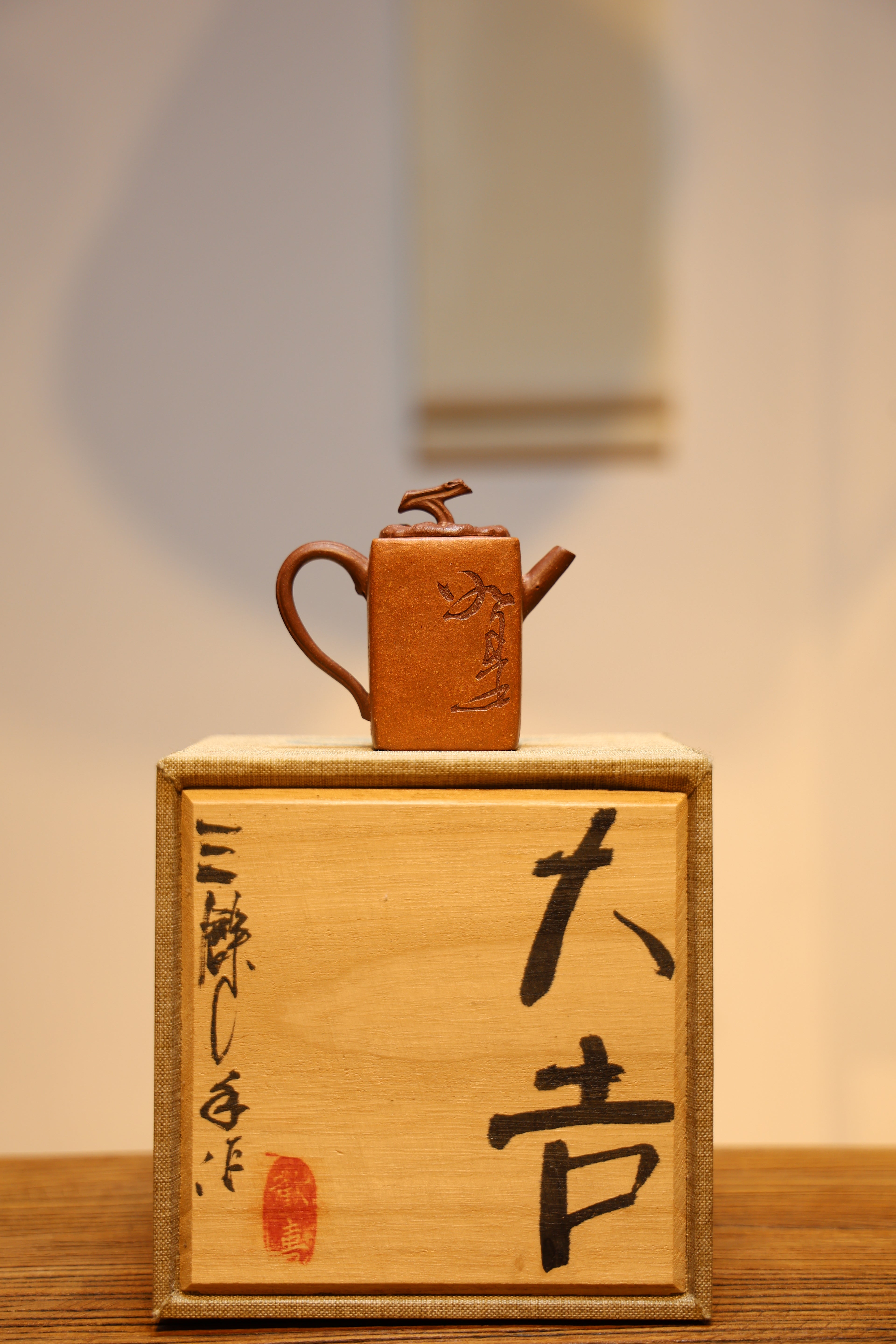
Yi-hsing Tzu-sa ceramic kettles contain distinct unparalleled magnetism towards connoisseurs universally. Particular exceptional porcelain containers, coming from the unique Ihsing area in Jiangsu zone, China, constitute more than just tea utensils; they stand as works art beauty and rich significance. This finely screened clay, known referred to as Zisha, imparts a refined flavor upon the tea, and the intricate designs, often casting traditional Chinese elements, boost their intrinsic value. Possessing a genuine Yixing Zisha teapot offers a satisfying journey, necessitating careful study and an awareness of the diverse factors influencing their specialness.
Investigating Yixing Vessels
Yihsing pottery vessels boast a deep history deeply interwoven with Chinese civilization. Originating in Yixing, Jiangsu area, these pots are crafted from a unique, porous purple dirt found only in that designated location. Their growth began during the Ming epoch, with master artisans refining the systems over years. Numerous types occur, including Yixing Zisha Teapot the classic Hexiang (resembling crab shells), Zhuni (red-brown hue), and Duan Ni (stone-studded) – each with distinctive characteristics. The merit of an Yixing vessel isn't solely based on its size or trim, but also on the creator’s reputation, the earth's quality, and the pot’s age and condition. Buyers often seek out older examples, believing they imbibe the nuance of the elixir brewed within them over time, further adding to their desirability.- Heritage Clay Pots
- Chestnut Clay Pots
- Rock-Decorated Clay Pots
Zisha Teapot Mastery: Fabrication & Procedures
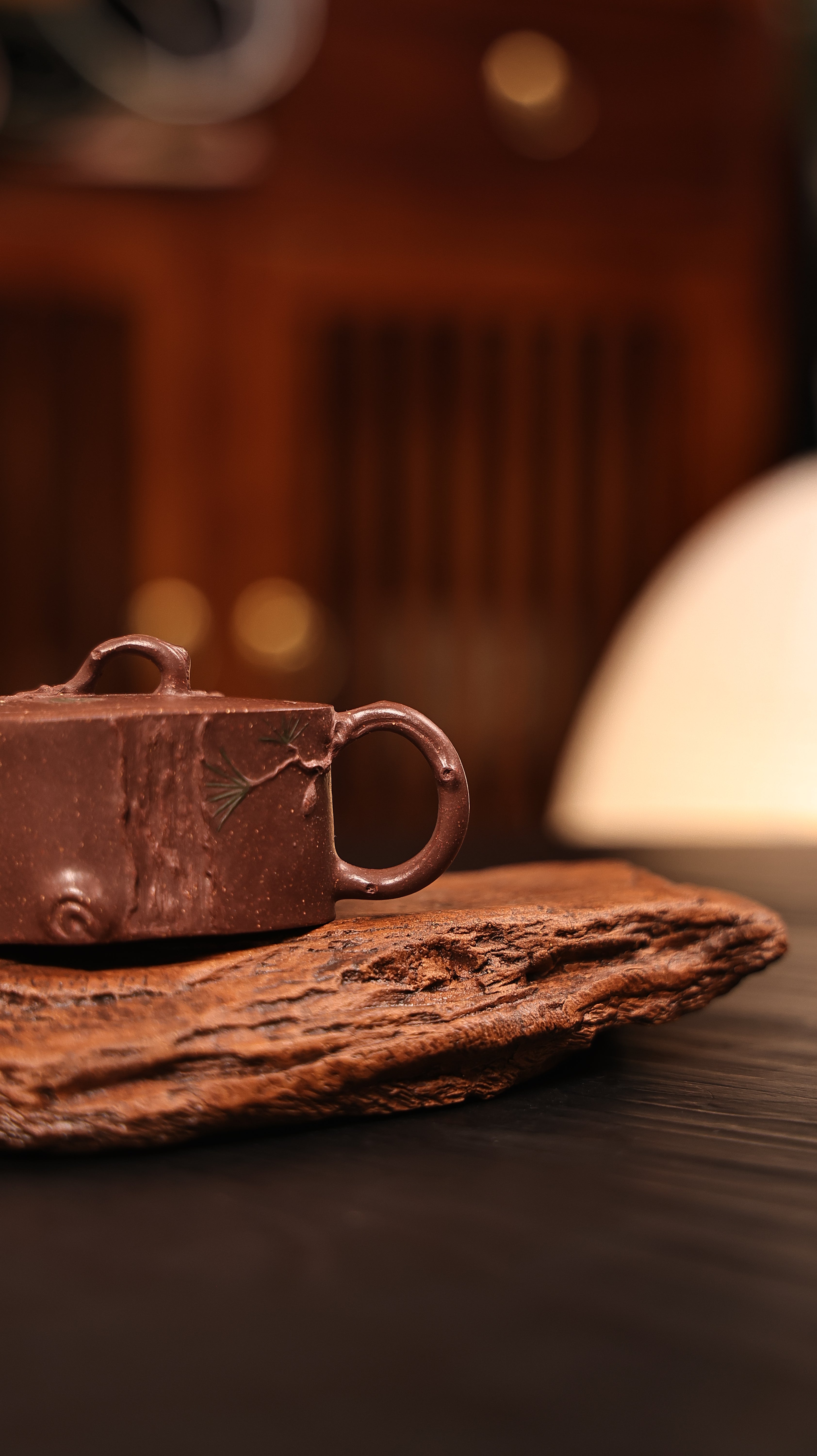
Unique production of Zisha teapots represents a climax of Chinese ceramic skill. Accomplished artisans employ time-honored techniques, often passed down through lineages, to unlock the full expression of this unique clay. Systems involve meticulous designing by hand, often combined with the binding method, followed by precise curing at incredibly strong temperatures in wood-fired kilns. Adorning is equally crucial; artisans utilize natural clay colors and may incorporate engraving work to depict intricate scenes or patterns, demonstrating a profound awareness of the material’s properties and vitality. The product teapot isn't merely a vessel for tea, but a testament to a valuable cultural tradition.
Eastern Pottery: An Insight to Yi-hsing Tzu-sha
Delving into the world of Oriental teapots commonly opens with Yixing Zisha. These unique clay vessels are manufactured from a distinct type of clay obtained only in the Yixing region of Jiangsu province. Famous for its remarkable reddish-purple hue and superior features, Zisha clay transfers a light flavor to the liquid and develops with age, transforming a cherished keepsake. Acquiring Yixing Zisha clayware is more than just retaining a handsome object; it’s a salute of practice and finesse.
Surveying Yixing Zisha: Genuine Nature & Value
Venturing into the realm of Yixing Zisha ware can be truly lucrative, but demands a precise eye. Genuine Nature is paramount; many reproductions manifest, habitually artfully constructed. Becoming knowledgeable about ancestral curing procedures, special terracotta traits, and the labels of respected potters is absolutely paramount. Over and above, perceiving the fine points of the market direction – influenced by determinants such as classical consequence and the appearance of the piece – is paramount to advantageous procurement.
- Investigating tempering lineage.
- Hiring authorities for substantiation.
- Evaluating sales dynamics.
That Skill of Preparing with a Ceramic Pot
This original allure of a Zisha kit lies not just in its stunning appearance, but also in its illustrious impact on the aroma of the beverage. These vintage clay earthenware, sourced from specific regions of China, possess a native porosity that gradually interacts with the drink and leaves, imbuing the beverage with a delicate character. Mastering the practice requires a mindful approach, understanding how the mineral responds to diverse heating regimes and foliage types, ultimately leading to a truly rewarding tasting experience.
Conserving The Possession
Proper maintenance of your Yixing pot is vital to securing its longevity. These remarkable teapots, crafted from distinctive Yixing clay, form a gradation over eras that magnifies their worth. Systematically rinse the interior with pure water, avoiding abrasive liquids, and never use strong scrubbing tools. Sporadic gentle cleaning with a light cloth can enable in preventing discoloration. Allow your teapot to entirely dry in advance of each use
Revealing Ceramic: What These Earthenware Are Special
The well-known appeal of Yixing teapots is sourced in the special properties of Earthenware clay, obtained solely near Yixing, the city of Yixing. This extraordinary clay, known as ferruginous porcelain , contains a unusual combination of minerals that, through use, assimilate the character of the liquids it contains. This creates a exclusive scent for each ceramic pot, making it a worth far more than its primary price and helping to their esteemed status among specialists.
Hunting for the Perfect Sinocentric Brewing Pot: A Terracotta Handbook
Venturing into the world of Yixing clay teapots can feel intimidating, but understanding the foundations is necessary to obtaining a coveted piece. This model of clay, sourced largely from Yixing, the province of Jiangsu, is famous for its special feel and ability to enhance the taste of the infusion over time. Consider the shape, the color, and the presentation; a valid Zisha teapot is more than just a jug; it's a handmade piece and a illustration of historic culture. Search for the stamp of the craftsman for clues to its history and potential worth.